
Persistent patterns
- Symptoms improve temporarily, then return once treatment stops
- Relief has been short-lived, inconsistent, or difficult to maintain
- Each flare-up feels familiar, even if the exact symptoms are not always identical
A broader question
Pain, digestive issues, fatigue, and other persistent symptoms are often more connected than they seem. We examine the organs, surrounding tissues, and joints for restrictions that may help explain why your body isn’t moving or functioning as it should.
Request an Appointment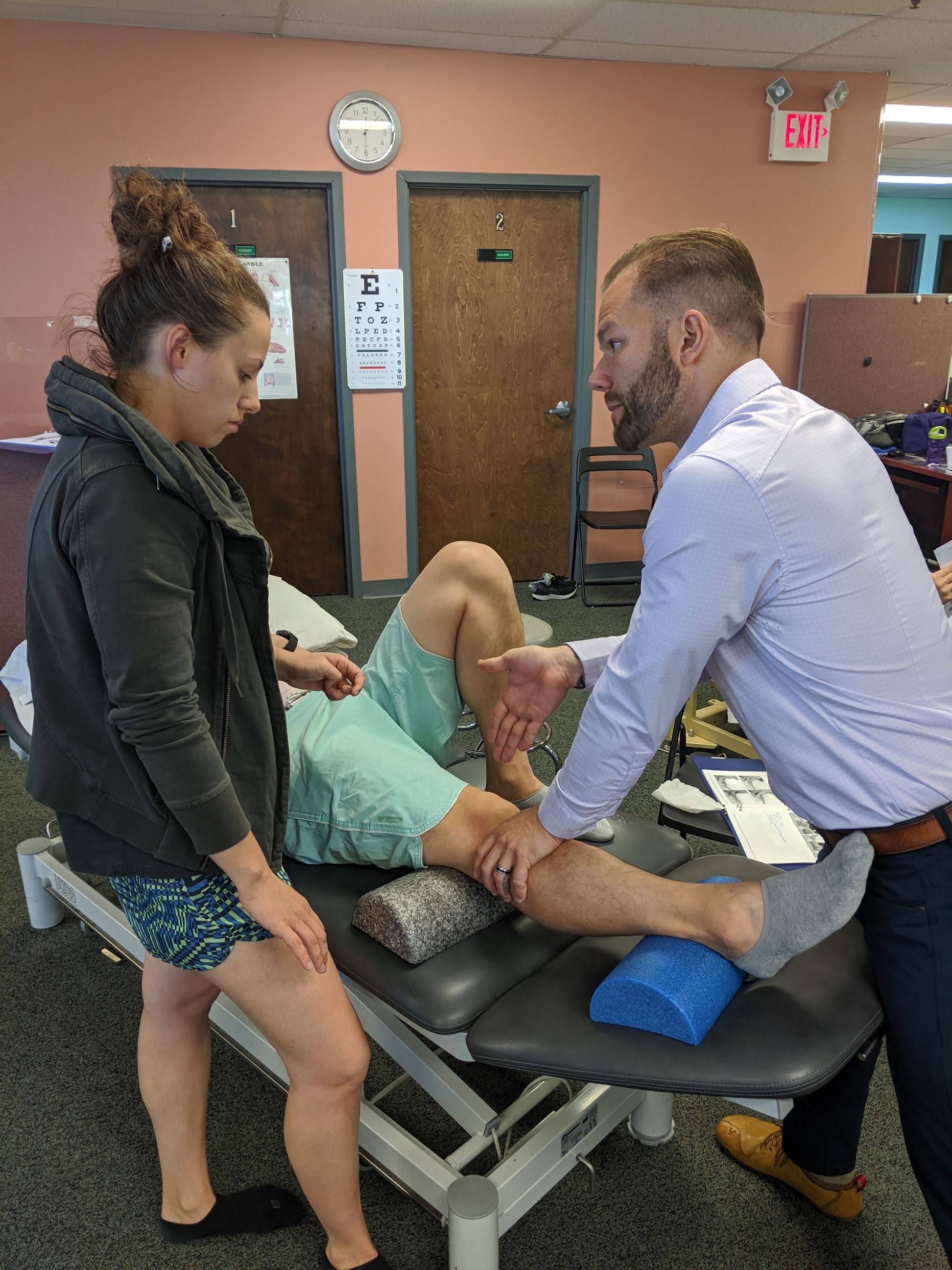
A different way to assess
Neither should assessment.
Symptoms are rarely just about one structure. We look at how different systems in the body may be interacting — and what might be contributing to your specific presentation.
One body. Multiple systems.
We consider multiple systems and how they may be interacting to better understand what’s driving your symptoms.
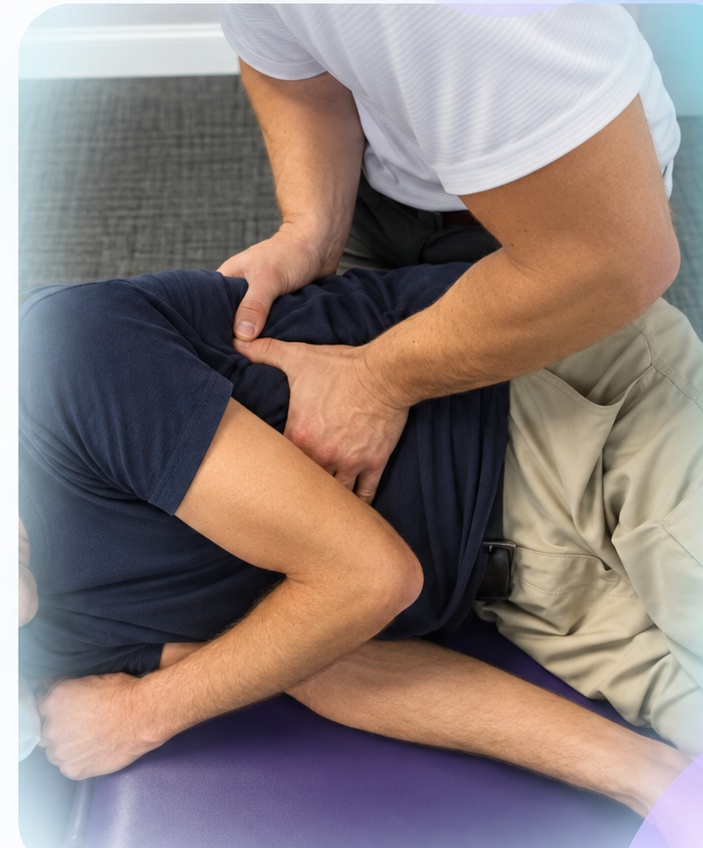
It may involve: musculoskeletal, neural, visceral, vascular, autonomic, endocrine, and scar or surgical relationships.
Built for complexity
A diagnosis can be important without being a complete map of every factor contributing to symptoms and function.
Collaboration matters. Synergy works with other specialists when their expertise can help clarify the picture or support the next step.
For persistent, recurring and difficult-to-explain problems
A clinical process, not a protocol
Each step is guided by what your body shows us, not by a preset routine.
We look at your history, symptoms, and how your body is functioning to identify what may be contributing to the problem.
Hands-on treatment is targeted toward the drivers we identified during the assessment.
We check the same symptoms, movements, or functions to see what changed.
What we learn helps guide the next step and make treatment more specific.
Each session should produce meaningful change
or actionable information.
Clinical examples
Select a clinical example to explore the connections.
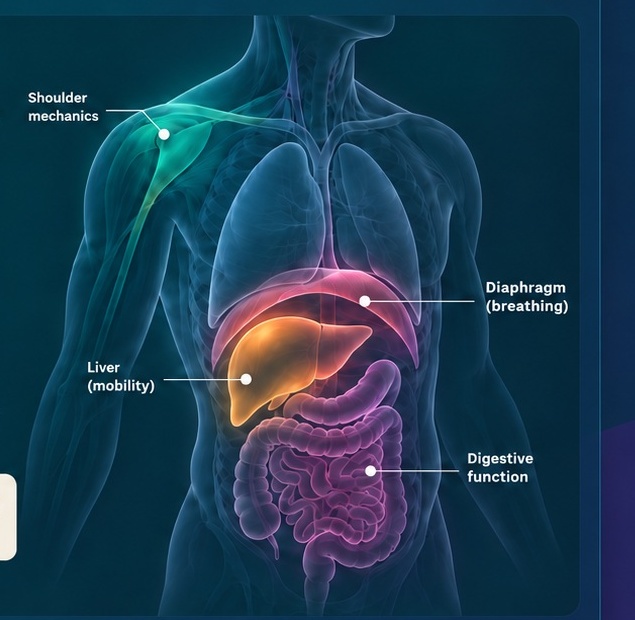
They may still be separate — but they may not be. When liver mobility is restricted, tension can transmit through fascial relationships and influence nearby neural structures such as the phrenic nerve.
That can affect diaphragmatic movement, push breathing toward inefficient accessory patterns, and contribute to changes in shoulder mechanics. Since the liver is also a major digestive organ, complaints like bloating, constipation, and malabsorption can be present.
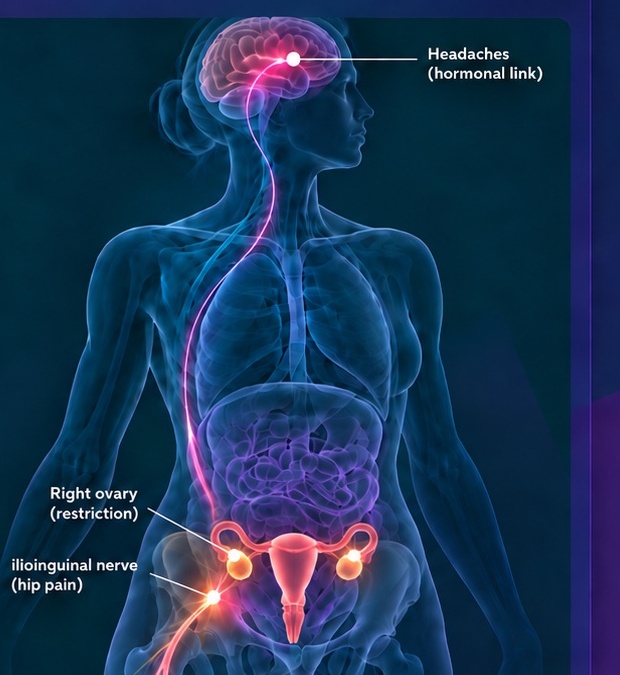
The client’s history suggested a hormonally driven headache pattern rather than a purely local head or neck problem. The menstrual story mattered too: bloating, mood shifts, cramping, and unpredictable, painful menses pointed toward a broader pelvic contribution.
Examination then provided confirmation. Palpation of the restricted right ovary reproduced the familiar headache symptoms, reinforcing the clinical relevance of that finding.
Because the same regional restriction also created tension near the inguinal canal, irritation of the ilioinguinal nerve helped account for the intermittent hip pain that had previously seemed inconsistent and difficult to capture.
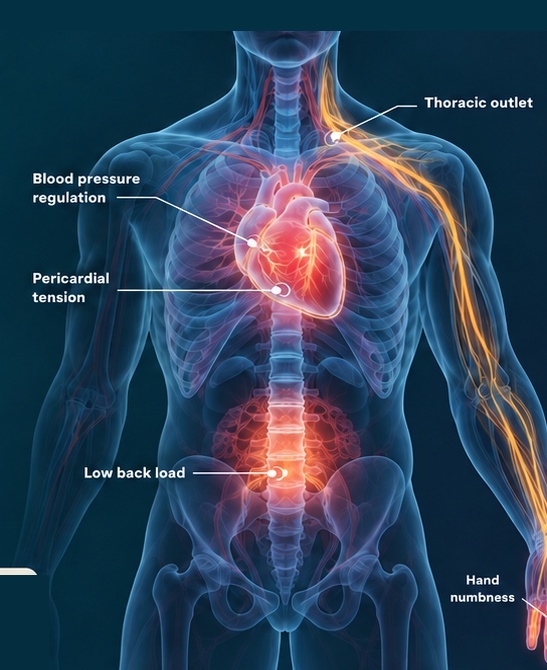
In this case, the clue was not in one painful spot. The deeper issue appeared to be a tight set of support tissues around the heart that were limiting normal motion through the chest.
That restriction likely increased strain around the vessels and nerve-rich tissues involved in blood pressure control. It also fed tension upward into the lower neck and thoracic outlet, helping create numbness in the hand.
At the same time, the chest stayed stiff enough that the lower back had to move more than it should during ordinary tasks. Treatment aimed at a couple of the most restricted ligaments changed that pattern, and all three problems improved together.
Dr. Justin Sullivan
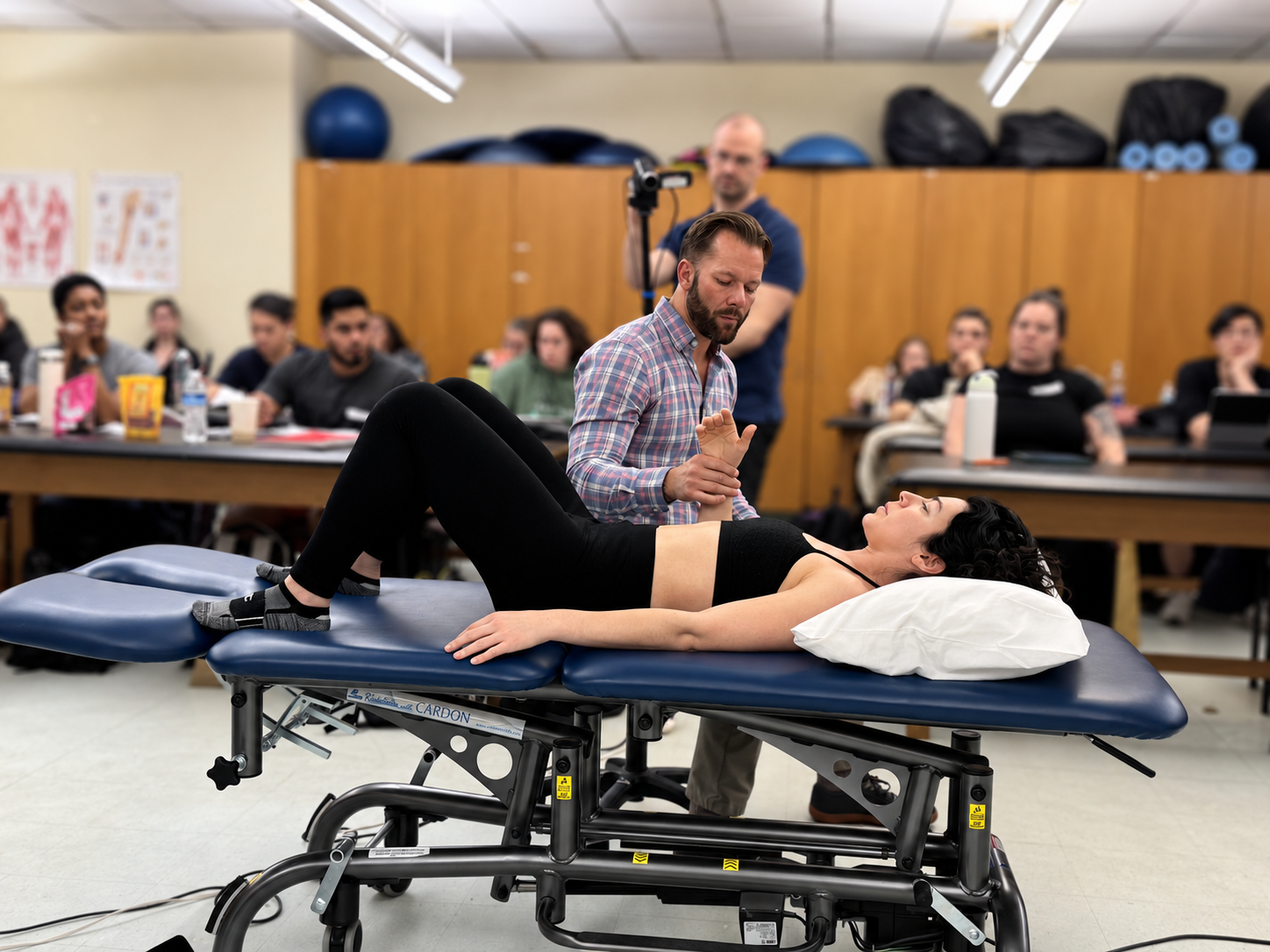
Dr. Justin Sullivan — or “Dr. Sully,” as he invites clients to call him — spent more than 15 years in his New York practice focused almost exclusively on complex cases, often working with people whose problems had persisted despite previous care.
Dr. Sully’s foundation combines advanced orthopedic examination, Functional Manual Therapy, and extensive postgraduate study of visceral, neural, vascular, articular, pelvic, thoracic and brain-oriented manual approaches.
He is an Orthopaedic Clinical Specialist (OCS), Certified Functional Manual Therapist (CFMT), and Certified Strength and Conditioning Specialist (CSCS). He is also national faculty with the Institute of Physical Art, teaching advanced manual assessment and treatment to clinicians around the country.
Now Dr. Sully is bringing that integrated approach to Asheville.
Client experiences
For over 25 years, I have had severe, chronic neck and shoulder pain. Dr. Sullivan has done what the others couldn’t: address the underlying issues causing the symptoms and pain. It’s an amazing feeling when you let go of something you’ve carried around for so many years.
I sought relief through many doctors and therapists, all of whom recommended surgery. I had given up hope. Dr. Sullivan listened to me and understood my experiences and injury. Now I have full range of motion, no more pain or discomfort, and no surgery!
I went from trouble walking to completing over 50 races.
I have had chronic pain since childhood. Pain management doctors, chiropractors and acupuncturists provided only temporary relief. Dr. Sullivan looked at my symptoms holistically, found the source of the problem and designed a treatment to relieve my pain.
Stay connected
Join the mailing list for practice updates, new resources and future announcements.
Looking for information about Dr. Sully’s return visits to New York?
NY ClientsReach out directly. We’d be glad to hear from you.